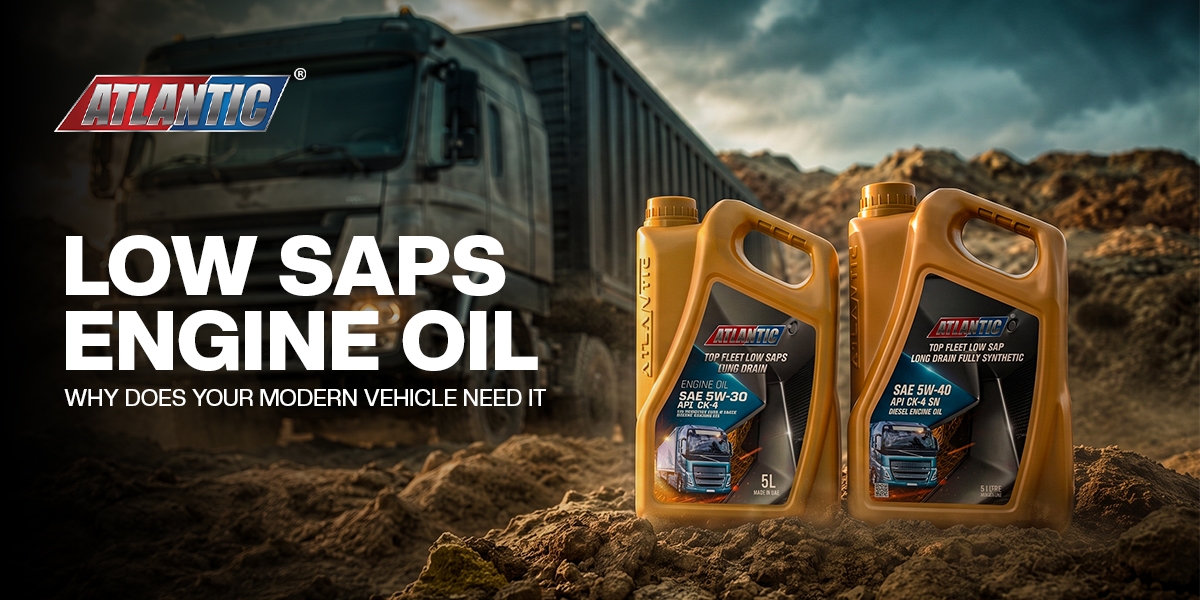
What Is Low SAPS Engine Oil and Why Does Your Modern Vehicle Need It?
Modern cars are marvels of engineering, cleaner emissions, more efficient, and longer service life. But these advances also make engines very sensitive to the type of oil. Low SAPS engine oil is an important specification for today’s petrol and diesel engines that is designed to protect your engine and its emission control systems. Picking the wrong oil isn’t a small mistake anymore – it could cause DPF clogging, poisoning of the catalyst, higher emissions, lower fuel economy, and even invalidate warranties. If you own a vehicle, it’s important to be aware of low SAPS oil.
Understanding SAPS: Sulfated Ash, Phosphorus, and Sulfur
SAPS stands for Sulfated Ash, Phosphorus and Sulfur, which are by-products of the additives found in engine oils. Each of these parts has a purpose, but can be harmful to modern emission systems if present in large quantities:
- Sulfated Ash is mainly derived from metallic detergents such as calcium and magnesium, and helps keep engines clean.
- Phosphorus originates from anti-wear additives like ZDDP, protecting engine components from friction and wear.
- Sulfur comes from base oil impurities and some additive chemistries.
These additives are essential for wear protection, oxidation control, and engine cleanliness, but too much SAPS can damage the advanced emission systems in modern vehicles.
Why SAPS Levels Matter for Emission Systems
Today’s engines rely on sophisticated after-treatment devices to meet emission standards:
Diesel Particulate Filter (DPF)
DPFs are used in diesel engines to catch soot particles from the exhaust. The sulfated ash of conventional oils cannot be burnt off during regeneration and is permanently accumulated. This results in DPF blockage, increased backpressure and reduced engine performance over time.
Three-Way Catalytic Converter (TWC)
TWCs are used in petrol engines to reduce nitrogen oxides (NOx), carbon monoxide (CO) and hydrocarbons (HC). High concentrations of phosphorus and sulphur cause poisoning of the catalyst surface, reducing efficiency and possibly increasing emissions.
OEMs specify Low or Mid SAPS oils for engines with DPFs and TWCs to protect these systems and to meet Euro emission standards.
Low SAPS vs. Mid SAPS vs. Full SAPS Engine Oils
Engine oils are graded by their SAPS content. This is often indicated by the ACEA C categories. The key to selecting the right oil is understanding the differences here:
Low SAPS (ACEA C1 & C4)
These oils have low sulfated ash (≤0.5%) and low levels of phosphorus and sulphur. Designed for engines with very sensitive DPF and TWC systems, they help to reduce the contamination of emission components.
Mid SAPS (ACEA C2, C3 & C5)
Mid SAPS oils contain ≤0.8% sulfated ash and controlled levels of phosphorus/sulfur and are appropriate for most modern European vehicles, except where they have extremely sensitive emission systems. ACEA C6 is the latest Mid SAPS category introduced in 2021, offering improved LSPI protection and fuel economy
Full SAPS (ACEA A3/B4, API SN/SM)
These have a high ash and phosphorus content and offer maximum protection against wear. However, they are not recommended for engines with DPFs or TWCs as they can damage the system.
How to Know If Your Vehicle Requires Low SAPS Oil
How to tell if your car needs Low SAPS oil is strictly OEM-specified. Look for the following signs:
- Your diesel car will have a DPF fitted as standard. All cars built after 2005 have them.
- You have an advanced three-way catalytic converter on your gasoline engine.
- Owner’s manual specifies ACEA C1 or C4.
- OEM approvals include low SAPS standards such as Renault RN0720.
Using wrong oil can cause DPF failure, emission warning, higher fuel consumption and voids warranty coverage. Always stick to manufacturer’s recommended ACEA categories and OEM approvals.
Benefits of Low SAPS Engine Oil
There are various benefits of opting low SAPS oil:
- Protects emission systems from ash and phosphorus contamination.
- Helps reduce build up and keeps the engine clean.
- Supports extended oil drain intervals when approved by the manufacturer.
- Improves fuel efficiency by reducing backpressure and maintaining catalyst efficiency
- Extends the life of the engine and emission system.
Low SAPS oils are often misunderstood. They do not compromise engine protection. Modern additive technology offers excellent wear resistance, oxidation control and sludge prevention.
Practical Guidance for Selecting the Right Low SAPS Oil
Below are the things to consider when choosing engine oil for your modern car:
- Viscosity grade (e.g., 5W-30) as recommended in owner’s manual.
- ACEA category: ACEA C1 or C4 for Low SAPS; ACEA C2, C3 or C5 for Mid SAPS.
- OEM approvals MB 229.51, VW 504/507, RN0720, BMW LL 04.
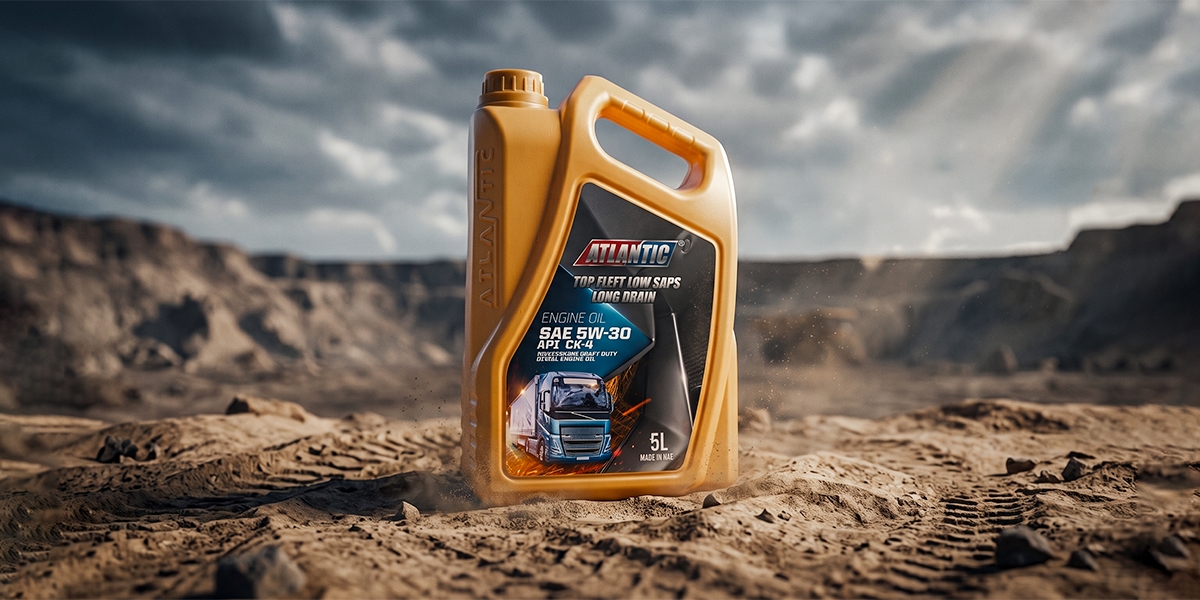
Additional tips:
- ACEA C1 & C4 = Low SAPS
- ACEA C2, C3, C5 = Mid SAPS
- API CK-4 is not Low SAPS unless OEM approved
Monitor oil condition periodically for changes in color, smell, and viscosity to maintain engine health. Color change alone is not a reliable indicator of oil degradation.
Choosing Quality Low SAPS Oils
For vehicles requiring Low SAPS formulations, always select oils that:
- ACEA C1 or C4 classifications verified.
- Have official OEM approvals.
- Be sourced from reputable manufacturers and certified distributors.
This gives good protection to both engine and emission systems, while meeting modern environmental standards.
Purchasing Quality Low SAPS Oils
To car owners who want to use quality low SAPS engine oil, quality and authenticity are of the greatest importance. Atlantic Grease and Lubricants have large varieties of oils which are of high standards according to the ACEA requirements and are suited for the modern engines. Be it a gasoline car with a catalytic converter or a diesel with a DPF, you will find one that fits your car, performs and keeps you at ease with Atlantic. Using certified oils that are supplied by reputable dealers protect your engine, as well as your investment in advanced emission systems.
To maintain modern engines in good condition, it is not enough to refill the oil. The selection of the right low SAPS engine oil is a preventive measure to maintain the health of the engine, protect the emission systems, and achieve the best performance. To get high quality certified oils that can be used in modern cars, go to Atlantic Grease and Lubricants and ensure that your engine is well taken care of.