The Role of OEM-Approved Lubricants in Meeting Emission Standards
Emission standards are now part of almost every nation's law on vehicles and industries. These rules are meant to reduce harmful gases that pollute the air. Governments around the world are asking car makers, industries, and fuel producers to work on this goal. One of the least-known yet most powerful tools in this fight is the use of OEM-approved lubricants.
OEM stands for Original Equipment Manufacturer, which means the company that made the engine or the machine. These companies set specific standards for the oils and greases that should be used in their engines. These standards are strict and require long tests, and their aim is to ensure that only the right fluids touch their parts.
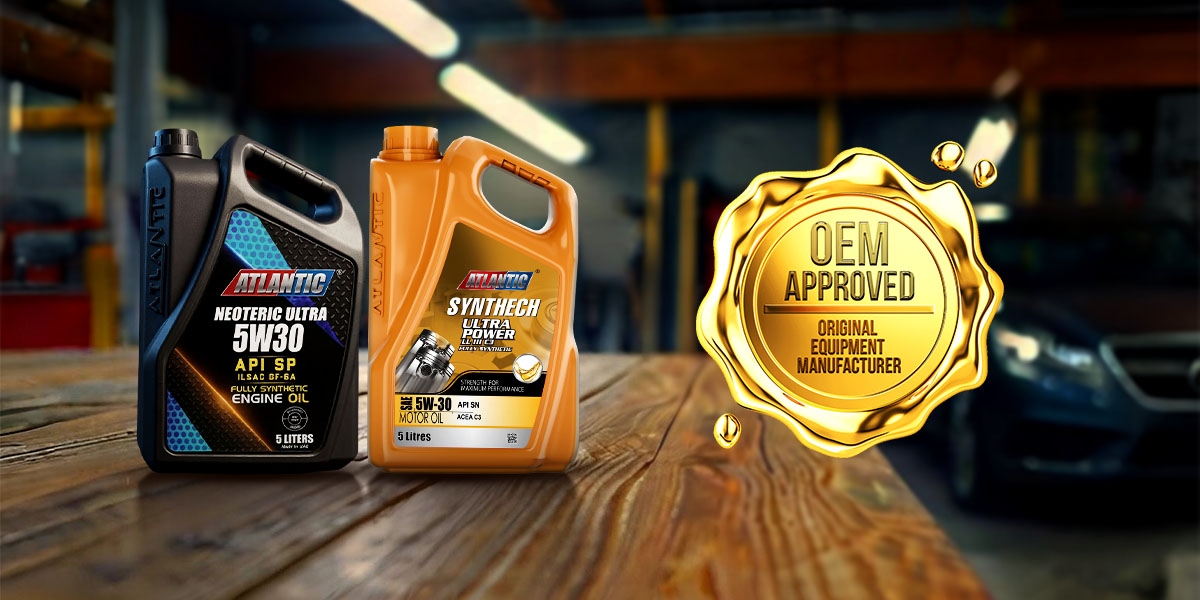
When oils meet these high OEM marks, they are said to be "OEM approved." They are not just made by random lubricants manufacturers. These oils are tested and backed by the machine makers themselves, which makes them highly effective.
Why Emission Standards Matter?
Before we understand how oils play a role, it's good to know why emission rules exist. When fuel burns in engines, it releases gases like carbon monoxide (CO), carbon dioxide (CO₂), nitrogen oxides (NOx), and unburned hydrocarbons. Some of these gases trap heat in the air and add to global warming. Others hurt human health and cause breathing issues.
To reduce this harm, new laws now set limits on how much a car or truck can pollute. These rules keep getting stricter every few years. Vehicle makers must change their engines and systems to meet them.
But no matter how good an engine is, it still needs the right oil to perform well. That is where OEM approved lubricants come in. These oils help engines burn fuel cleaner, reduce internal friction, and stop the buildup of dirt that adds to gas emissions.
What Makes an Oil OEM Approved
Getting an oil approved by a top engine brand is not easy. The oil must go through lab tests, road tests, and real use over long hours. It must show that it can clean, cool, and protect the engine under stress. It must also prove that it will not cause smoke or burn too fast.
The oil must last long and work well in both cold and hot weather; only after all of this can the OEM allow their name to be used on the label. That is why not all automotive lubricants manufacturers can get this approval. It needs deep science, clean plants, and strict quality checks. For many users, seeing "OEM approved" on a pack is a mark of trust.
Helping Engines Burn Fuel Cleaner
Engines work best when the moving parts run smoothly. If there is friction, heat builds up. Heat leads to poor burning of fuel, and this leads to more harmful gases. A good OEM approved lubricant reduces this friction by forming a strong film between the parts. This stops metal from rubbing on metal, which results in less heat, better burning, and fewer emissions. Also, approved oils have top-class additives that help in cleaning carbon, dust, or sludge from inside the engine. Clean engines do not waste fuel as they burn it fully, and that lowers the smoke and gas release.
Boosting the Role of Catalytic Systems
Most modern cars and trucks use catalytic converters. These parts clean the gas before it leaves the pipe. But these converters need help. If the oil used in the engine is poor, it can damage the converter. Ash, sulfur, or thick soot can block the converter. This leads to more gas release and often engine failure. OEM approved lubricants are made to protect these converters. They have low ash and no harmful metals that hurt the system. This helps the converter do its job well, for longer. It also helps in passing the emission tests that many countries now use every year.
Role in Diesel and Heavy-Duty Engines
Diesel engines, used in trucks and large machines, release more gases than small cars. They are built for power, not just speed. But that also means they burn more fuel and work under high pressure. The rules for these engines are even stricter now. From Euro 6 to EPA Tier 4, the laws are firm. That is why industrial lubricants manufacturers also focus on getting their oils approved by OEMs of large engines.
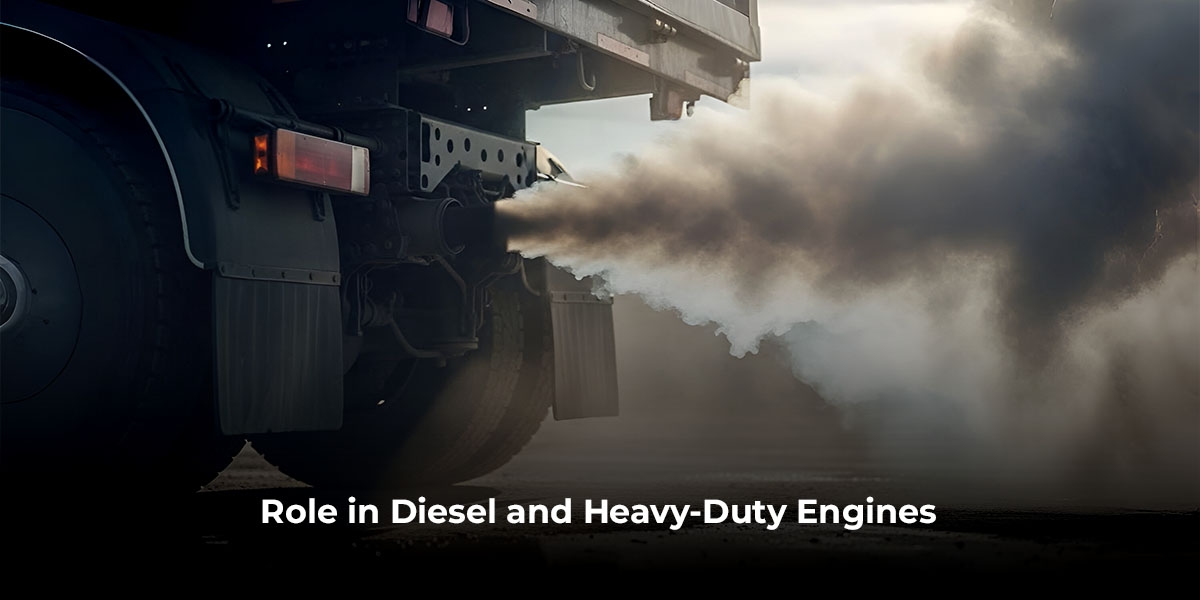
In these machines, OEM approved lubricants not only help in lowering gas release but also reduce wear. They stop soot buildup, reduce oil burn, and help after-treatment devices like diesel particulate filters (DPFs) last longer. If the wrong oil is used in such engines, the damage is quick and costly. The filters get blocked, the engine heats up, and emissions shoot up. That is why OEM oils are a safe and smart choice.
Working with Fuel Economy Goals
Clean emissions and fuel use go hand in hand. If fuel is used better, less smoke and waste are produced. OEM oils are tested not just for wear but also for fuel use. They are often thinner in flow but are strong when required, which means they help parts move with less drag. The engine needs less fuel to make the same power, which also reduces CO₂, the gas most linked with global warming. With the rise in hybrid and electric cars, even gear oils and greases now need to meet OEM rules. These parts may not burn fuel, but they still play a part in total energy use.
Automotive Lubricants in the UAE and Beyond
In hot countries like the UAE, oils face extreme stress. Engines heat up fast. Dust and sand can enter systems. Many global and local automotive lubricants manufacturers in UAE now make oils that match OEM needs for such climates. These oils resist heat, carry dust away, and last long under pressure. Many top car brands sold in the UAE only work well with these approved oils. That is why buyers and service centers now ask for them by name. In places like the UAE, where roads are long, heat is high, and vehicles run non-stop, the right oil is not a luxury; it's a need. OEM oils also help in passing the growing number of sustainability standards set by city or transport offices.
Trusting the Right Manufacturer
Not all lubricants manufacturers offer the same quality. To get an OEM badge, a company must meet global norms. They must prove that each batch of oil is clean, strong, and steady. There can be no weak spots, so the brands also invest in research. They keep updating blends as engines evolve. They work in coordination with prominent automotive manufacturers to know what is coming next. This bond is what sets top makers apart from others. For those in transport, farming, or factory work, this matters a lot. A poor oil can stop a machine or kill an engine. A trusted OEM-approved one, however, can keep things smooth for years.
The Path Forward
As the world moves to reduce carbon, every part counts. Engines are being changed. Fuels are cleaner. But even the best engine can fail the test if the wrong oil is used. That is why OEM approved lubricants are more than just fluids. These lubricants are essential as they help reduce friction and play a vital role in reducing emissions simultaneously.
These lubricants are beneficial for both the automotive and manufacturing industries. These oils can help the industry in compliance with the strict standard of performance and ensure maximum efficiency. Since most of these lubricants are synthetic, they are also eco-friendly and better for the environment.
Atlantic Grease and Lubricants: Trusted OEM Excellence
Atlantic Grease and Lubricants is a trusted name in the world of OEM approved lubricants. As a forward-thinking automotive and industrial lubricants manufacturer, we offer high-quality blends designed to reduce emissions, protect engines, and meet strict OEM guidelines. With a focus on reliability and global standards, we serve clients across the UAE and beyond. If you seek oils that perform under pressure and support a cleaner future, Atlantic is the brand to trust.