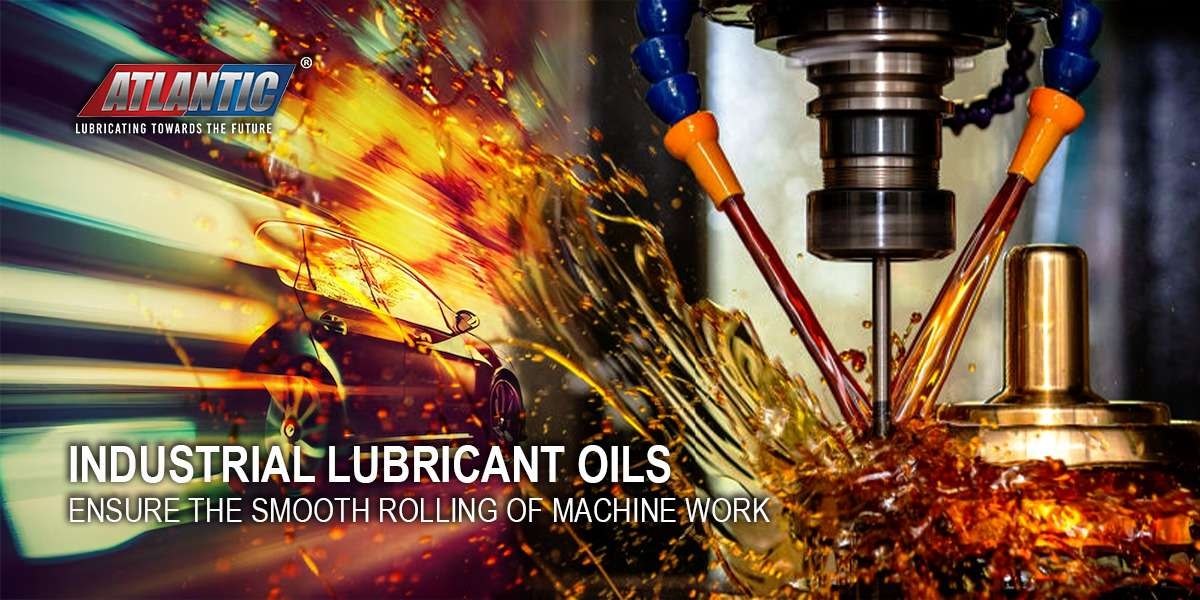
Industrial Lubricant Oils Ensure the Smooth Rolling of Machine Work
Lubricants serve as indispensable components in numerous applications, minimizing friction and wear in numerous industries where they go unnoticed. Rolling metal wires are a prominent example of one of these applications; it guarantees high-quality wire products and effortless production.
The Critical Importance Of Lubricant Oils In The Industry
A wire-making organization specializing in metal wire production operates its rolling mills with lubricant oils. By forming an essential barrier between the wire, these lubricants significantly reduce heat generation and friction that occurs during the process. Lubrication serves to guarantee seamless operation, avert wire defects, and ultimately enhance production efficiency while contributing to the generation of superior final products.
Confronting The Obstacle: The Impact Of Oil Contamination And Its Effects
Lubricant oils, notwithstanding their critical function, are vulnerable to contamination. Owing to oxidation byproducts and metal detritus, minuscule particles can gradually accumulate in the oil. The following contaminants present a substantial peril to the wire drawing procedure:
- Wire Damage: The wire surface may sustain scratches or gouges caused by contaminants, which may result in defects and even product failure.
- Production Interruptions: The accumulation of impurities may cause operational disturbances in the rolling mills, leading to cessation of production and subsequent time loss.
Damaged wires resulting from contamination frequently end up as refuse, which results in material waste and escalated production expenses.
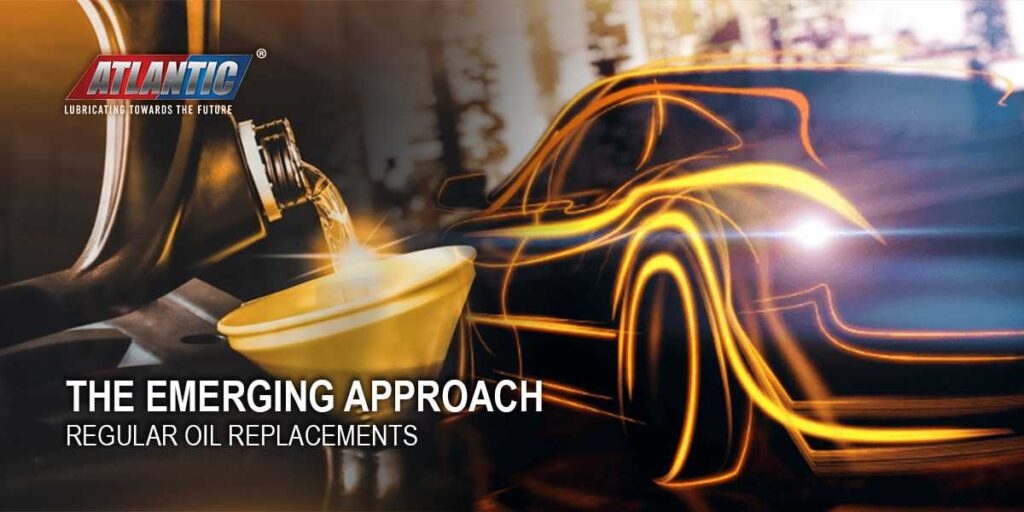
The Emerging Approach
In order to address these obstacles, numerous other businesses conventionally utilized filtration techniques to eliminate impurities from their lubricant oils. Nonetheless, these techniques frequently fail to capture extremely minute or light particles.
- Insufficient Cleansing: The oil retained minute contaminants, which progressively accumulated into a concentrated “sludge” that presented even more severe hazards.
- Regular Oil Replacements: As a consequence of inadequate cleansing, frequent oil changes are required, leading to escalated operational expenses and environmental repercussions.
An Innovative Oil Cleaning System Is Introduced
In light of the constraints associated with conventional approaches, the research has adopted a novel resolution: the oil cleansing system. Sophisticated in design, this system explicitly targets the problem of oil contamination in wire drawing applications. A multi-stage process is utilized to efficiently eliminate particles that are overlooked by conventional filtration and centrifuges:
- Coagulation: Initiates the formation of larger concentrations of fine particles that are readily captured by filters by means of special chemicals that induce clumping.
- In microfiltration, specialized filters with exceedingly minute apertures are employed, enabling the capture of even the most minute particles of contaminants.
- Degassing under vacuum: Eliminates dissolved gasses and air pockets from the oil, thereby enhancing its lubricating capabilities.
Life Cycle Assessment: Figuring Out The Effects On The Environment
The oil cleaning system does a lot of good for the world. A Life Cycle Assessment (LCA) study done in Sweden looked at how two different situations would affect the environment: The original system used traditional filtering methods and changed the oil often. Systems with an oil cleaning system use a new cleaning technology that uses less oil. The study was mostly about three types of impacts:
- Global Warming Potential (GWP): The amount of greenhouse gasses released when the system works and oil is used.
- Acidifying Potential (AP): Emissions that make the air more acidic, mostly sulfur oxides and nitrogen oxides.
What is Human Toxicity Potential (HTP)? HTP is the chance that pollutants in the world will poison people.
The Findings Were Very Interesting:
- Significant Reduction in Environmental Effects: Compared to the original system, the oil cleaning system had about a 90% reduction in all three types of environmental effects.
- Equivalent to Less Oil Use: This drop is a direct result of less oil being used because the system makes oil last longer.
Taking Into Account Effects And Looking Into More Benefits
Weighting factors based on well-known methods like EDIP97 can be used to figure out how important each impact area is in comparison to the others. The most important thing to worry about here is the possibility of global warming.
But there are more possible solutions to this.
Reusing The Waste Oil:
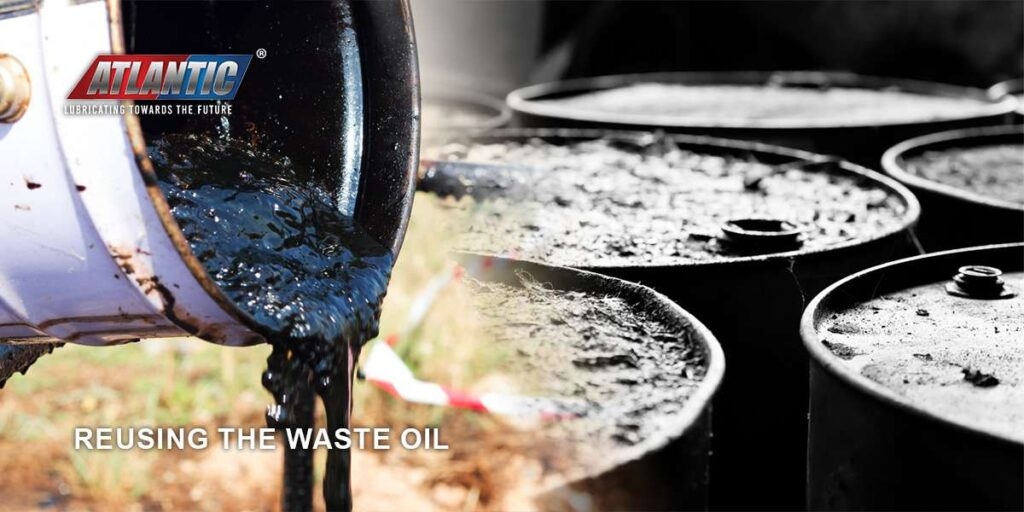
The machine lubricant oil effect will be smaller if the used oil is re-refined instead of burnt. This practice will show the benefits to the economy.
Further, the new study shows that using clean energy sources and properly managing waste can have an even greater positive impact on the ecosystem. This is related to industrial oil as well.
The Thing Of Sustainability In The Lubricant Industry:
Using lubricants for both the planet and your wallet is a modern approach to many industrial works, especially the automotive industry.
Being “green” isn’t just good for the Earth; it’s good for business, too. Companies are increasingly realizing that sustainability is key to their success, and the industrial lubricants industry is no exception. But how can we make these oils more eco-friendly without sacrificing performance or breaking the bank?
Seeing The Big Picture Of The Future:
Before developing new lubricants, companies need to understand their entire environmental impact, from the resources used to make them disposed of. The life cycle assessment shows how the oil will charge hidden environmental costs. By doing LCAs, companies can avoid simply shifting problems around, like creating pollution in one area while reducing it in another. They also help ensure future generations have the resources they will need.
Measuring The Impact Of Footprints
Usually, there are two things to look for: footprint and handprint. The prior has a negative impact on the environment, and the other is attributed to a positive impact.
Ideally, we want to minimize the footprint while maximizing the handprint. For petrochemical industrial lubricants, this means designing them to be more eco-friendly while still exceeding performance expectations.
Three Paths To Sustainable Lubricants
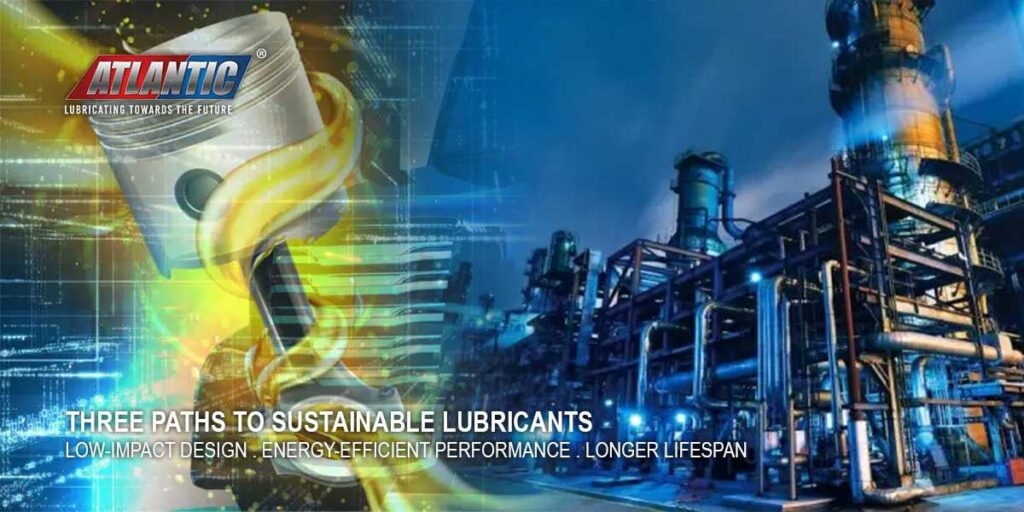
So, how does Atlantic manufacture these dream industrial lubricants for Dubai? Here are three key approaches:
Low-Impact Design: This means using fewer resources and opting for eco-friendly materials, like bio-lubricants. These oils are especially popular for sensitive areas like forests and waterways, as they biodegrade quickly and pose minimal harm to wildlife.
Energy-Efficient Performance: Lubricants can play a part in reducing energy consumption by minimizing friction and wear in machinery. By using special-performance polymers, we can create lubricants that keep things running smoothly while using less energy.
Longer Lifespan: Frequent oil changes are wasteful and expensive. By developing additive packages that extend the life of lubricants, we can reduce waste and save money.