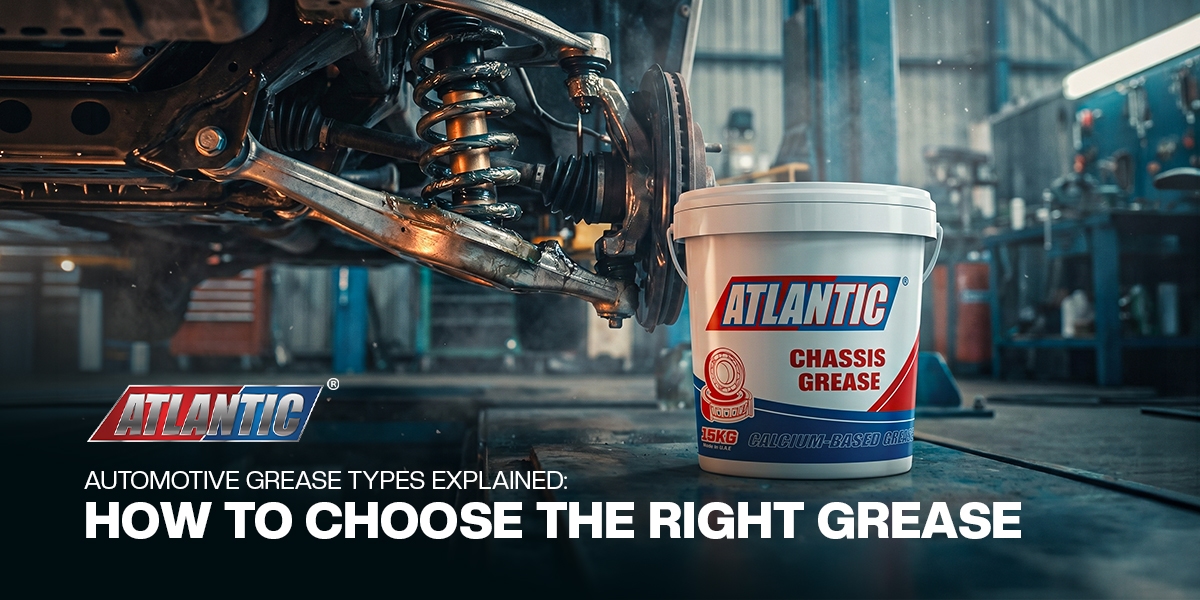
Automotive Grease Types Explained: How to Choose the Right Grease
Grease is more significant to a vehicle's performance than most drivers realize. It assists moving parts to work efficiently, reduces friction, protects metal surfaces from wear, and forms a barrier that prevents moisture and dirt. By applying the right grease in the right place, vehicle parts will last longer and work more dependably.
This is why it is so crucial to know the types of automotive grease. Greases do not all do the same job, and the wrong grease can result in overheating, noise, inadequate protection, and premature part failure. Whether you're maintaining bearings, hinges, joints, or suspension components, the right grease will keep your car in better shape.
This guide discusses what automotive grease is, why it is important, where it is applied, and the best product that fits your vehicle. It further compares the common types of grease to help you make a more confident choice.
What is Automotive Grease?
Automotive grease is a semi-solid lubricant composed of base oil, a thickener, and additives. As compared to engine oil, which is free-flowing, grease does not run away and instead protects parts over time. This is particularly handy for components under pressure or difficult to lubricate frequently.
In reality, grease forms a protective layer around the sliding metal components. Consequently, it helps reduce friction and wear and prevents corrosion. It also helps seal out contaminants such as water, road salt, and dust that can easily damage delicate parts of the vehicle.
Various greases can be used in various applications. Others are built to withstand high temperatures, and others are built to withstand water. This is one of the reasons why it is common to find terms like 'best grease to use on wheel bearings' or 'lithium vs calcium grease' in searches to pick the correct product.
Why Automotive Grease is Important
Automotive grease is significant because many car components are constantly exposed to motion, loading, heat, and other severe conditions. These parts may also wear more rapidly than anticipated without appropriate lubrication. In the long term, it can lead to expensive repairs and reduced vehicle safety.
Grease also benefits over liquid lubricants in some applications, as it remains in place after application. This implies it can continue protecting components such as bearings, joints, and hinges for extended periods. Moreover, grease also reduces noise and helps smooth the movement of parts that might otherwise grind or seize.
The other important reason why grease is important is moisture protection. Water can quickly cause rust and corrosion in vehicles, particularly in areas where people drive in rain, mud, or coastal areas. Appropriate grease helps form a coating that prevents moisture from penetrating metal surfaces and moving parts.
Where Automotive Grease is Used in Vehicles
There is a large variety of automotive parts that use grease. These components can be readily observed, and others are hidden yet still important to the performance and durability of the vehicle.
Wheel Bearings
One of the most crucial locations where grease is applied is on wheel bearings. These components are rotating continuously and also have a heavy load on them, as well as producing heat. This is the reason why selecting the most appropriate grease to use on wheel bearings would be crucial for smooth operation and long life of the bearings.
Suspension and Steering Joints
Steering or suspension points, such as ball joints, tie rod ends, and more, typically depend on grease to lower friction and wear. These parts are in constant motion and are exposed to road shock, water, and dirt. They are well-lubricated to remain responsive and durable.
Hinges and Latches
Automobile grease is also beneficial to door hinges, hood latches, and trunk mechanisms. These smaller parts might not be subjected to the same loads as bearings, but they do require lubrication to avoid squeaking, sticking, and rusting.
Chassis and General Lubrication Points
There are also chassis lubrication points of some vehicles that must be frequently greased. These spaces may have joints, fittings, and other moving components that would benefit from a long-lasting lubricant. In such cases, grease assists in keeping a smooth movement and avoiding untimely wear.
Main Types of Automotive Greases
Automobile grease comes in a variety of types, and each type is of varying strength. The ideal option will be determined by the use, operating temperature, and exposure to water or heavy loads.
Lithium Grease
One of the most popular automotive greases is lithium grease. It is trendy as it provides a good combination of price, performance, and versatility. It can be used in most instances in general-purpose lubrication in the automotive industry for a variety of uses.
Lithium grease works well with moderate to high temperatures, and it offers good mechanical stability. It is commonly applied in bearings, chassis parts, and in general service points. It is the default choice of many drivers and even technicians as it is effective in most of the everyday situations. If you are looking for a premium-quality lithium grease, you can try Atlantic Lithium Complex.
Calcium Grease
The water resistance of calcium grease is most renowned. This makes it applicable in those environments in which moisture protection is particularly crucial. It can do a good job under wet conditions, and it can protect metal components against rust and corrosion.
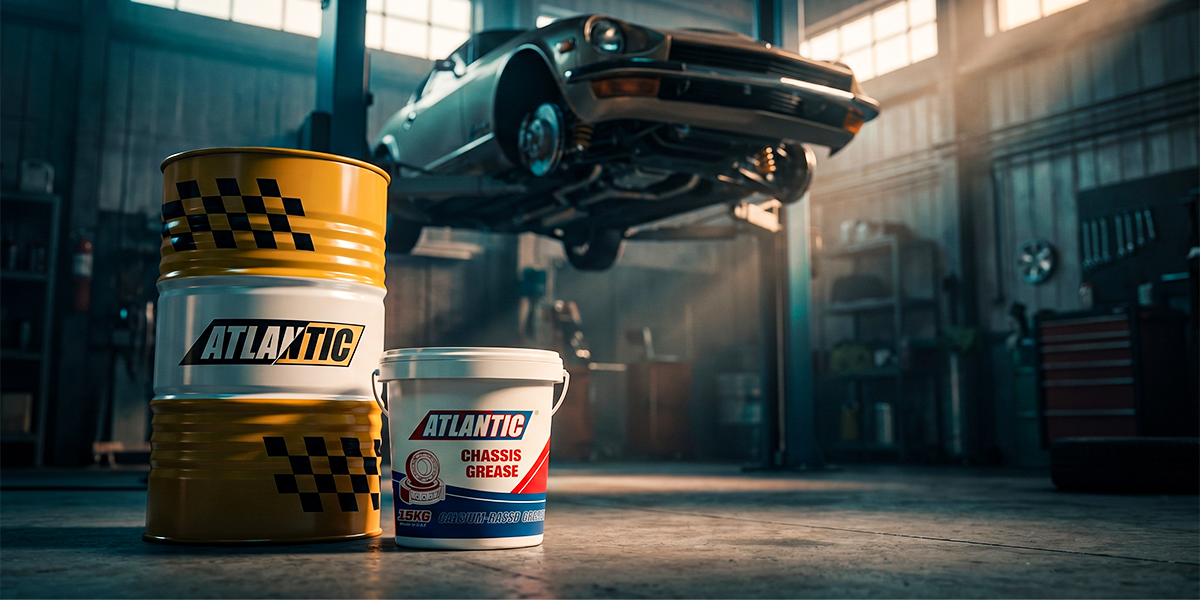
However, calcium grease, in most cases, performs poorly at high temperatures compared with lithium grease. It implies that it is frequently more appropriate for a lighter-duty or moisture-prone working environment as opposed to hot-running parts. This is one of the most significant differences when it comes to lithium vs calcium grease. If you are looking for a calcium-based grease, you can try our Atlantic Chassis Grease, which is calcium-based.
Polyurea Grease
Polyurea grease is rated in terms of its longevity, resistance to oxidation, and extended life. It is commonly used in sealed or long-life parts, and it is also used in high-temperature applications. It is also applied in bearings of wheels and electric motors in certain instances.
Polyurea grease has several advantages, one of which is that it has a long-lasting performance. However, it cannot always be used with other types of greases. It implies that one should be careful when switching from one grease to another.
Synthetic Grease
Synthetic grease is produced using synthetic base oils instead of the traditional mineral oils. This enables it to work better in extreme temperatures, both hot and cold. It is also less susceptible to oxidation and can provide longer service periods.
Modern vehicles, performance applications, and harsh climates often use synthetic grease. It is typically more expensive than regular grease, but it may be justified by the additional investment in the case when the stability at high temperatures and prolonged performance are of primary importance.
Lithium vs Calcium vs Polyurea Grease
In making the decision to use lithium, calcium, and polyurea grease, it is good to make comparisons between the three. They all have their helpful purposes, and they are applied to various operating conditions.
Grease Type | Temperature Range | Cost | Water Resistance | Best Uses |
| Lithium Grease | Moderate to high | Low to moderate | Good | Wheel bearings, chassis points, joints, general automotive use |
| Calcium Grease | Low to moderate | Low | Very good | Wet environments, light-duty parts, moisture-prone components |
| Polyurea Grease | High | Moderate to high | Good | Long-life bearings, sealed components, high-heat applications |
When weighing lithium vs calcium grease, consider what is more important for the application. When heat and versatility are a consideration, Lithium tends to be the superior all-around. When water resistance is important, calcium can be of more use. Polyurea is the best when the service life and high temperature performance are required.
How to Choose the Right Automotive Grease
The right grease is based on the component you are working on, the weather conditions your car will be in, and the type of performance the component must provide. Selecting the right product begins with knowing the working conditions and not just purchasing the most popular one in the store.
Match the Grease to the Application
Lubrication requirements of different components vary. Grease that is capable of enduring heat and heavy loads is typically required in wheel bearings. Hinges and latches could require something less heavy and more focused on corrosion resistance. Grease in suspension and steering components must be able to remain in place and undergo frequent movement and pressure.
Consider Heat and Climate
Temperature is a significant factor in the selection of greases. Greases used in highly hot conditions should not thin or decompose. In colder climates, it must be able to be workable enough to provide protection on startup and in normal operation. This is among the reasons why synthetic grease is usually used in extreme weather.
Look at Water Exposure
When an element is exposed to rain, humidity, mud, or washdown, then water resistance becomes extremely vital. Under such circumstances, calcium grease, or other moisture-resistant greases, can work better compared to the simple general-purpose grease.
Follow Manufacturer Recommendations
Makers of vehicles and components will often indicate what type of grease should be used or what performance level should be. Following those suggestions will assist in minimizing the compatibility problems and will guarantee that the grease fits the design of the part.
Signs You're Using the Wrong Grease
The wrong grease may cause issues with performance and the life of the component. The symptoms are sometimes not clearly noticeable initially, yet usually become clearer with wear.
Unusual Noise
Bearings, joints, or hinges may be squeaking, grinding, or humming, indicating that the grease is not as protective as the part is being. This can occur due to the grease being too thin, not resistant to heat, or no longer staying in place.
Overheating Components
When a wheel hub or bearing is running hotter than usual, then the grease might be unsuitable for the temperature and pressure of the system. This is particularly crucial in bearing systems, where heat buildup may easily lead to damage.
Grease Breakdown or Leakage
Another red flag is grease that becomes dry and hardened, or even separates or spills away too fast. It can be a frequent indication that the product is incompatible with either the operating conditions or the part itself.
Premature Wear and Rust
When components exhibit rustiness, crude movement, or premature wear despite greasing, the incorrect product might be used. In other cases, the grease might not be providing sufficient resistance to water. It may not be robust enough to the load or speed in others.
Why Choose Atlantic Grease and Lubricants for Automotive Greases
The quality and consistency of products are as important as the type of grease when choosing a supplier of grease. The strength of Atlantic Grease and Lubricants lies in automotive greases since they have reliable products that can be used in various types of automobile applications, such as general-purpose lubrication or high-temperature/high-load applications.
The other reason to choose Atlantic Grease and Lubricants is the assurance in the product choice. Buyers will not have to make guesses as to which grease might be the most suitable, as a supplier of lubricants to the automotive industry has a proven history of application and support. This assists drivers, workshops, and fleet operators in making better decisions and avoiding the risks of using the wrong grease.
To find a trusted source of car greases, consider the selection of Atlantic Grease and Lubricants or discuss with our team what product to purchase, depending on your car and the conditions of operation.
The selection of the appropriate grease is a little process, which can result in a significant difference in the performance of your vehicle and the durability of its parts. Knowing the primary types of greases and how they fit in the job, you can prevent the waste of grease and provide the job with smoother running. Atlantic Grease and Lubricants is a good place to begin when it comes to reliable products and expert advice.