API CK‑4 vs CJ‑4 vs CI‑4: The Complete Heavy‑Duty Diesel Engine Oil Classification Guide
With heavy-duty equipment or a large fleet of diesel engines, you don't want to suffer from unexpected downtime. Engine oil is the biggest factor in the reliability of your heavy-duty diesel, and most operators only think about it when it's required. Not any diesel oil, but the right heavy-duty diesel oil designed to withstand the rigors of today's diesel combustion. It may sound like alphabet soup, but there are several important oil classification terms that can determine the lifespan and performance of your engine: CK 4, CJ 4, and CI 4. The distinction is not academic, but real-life. An incorrect oil choice can cause accelerated wear, shorter drain intervals, and cost you precious money in the long run.
Let's break down the meaning of these API designations and explain the significance to you, and then what they mean in the real world as far as engine protection and diesel engine maintenance goes. At the end, you'll understand the differences between all three, and which is appropriate for your application.
Why Oil Classification Standards Matter
First, it's important to understand the rationale behind these classifications before we delve into the details of each category. Diesel engines are violent machines. Engine oil is subjected to high compression, high temperature, soot formation, and high pressure. When these stresses exceed a lubricant's capacity, parts of the engine, such as bearings, cam lobes, piston rings, and cylinder walls, suffer. This results in system failures, costly rebuilds, and lost time.
The American Petroleum Institute (API) has developed oil classification standards that enable you to select an oil with the appropriate performance for your engine. These are the standards developed through extensive testing in actual diesel engines. They make sure that an oil advertised for use in a diesel engine provides tangible benefits in engine wear protection, cleanliness, soot handling, and oxidation resistance.
Engines have changed over the years. Emissions systems are more complex; combustion temperatures are higher, and fuel economy and drain intervals have increased. Oil standards are constantly developing and getting tougher. The three API diesel designations we are looking at, CI 4, CJ 4 and CK 4, each represent a progression in overcoming the challenges that confronted their respective time of engines.
Understanding API’s Letter Codes
When you see “CI 4,” “CJ 4,” or “CK 4,” the letters aren’t random. In API diesel oil types, the first letter “C” means Commercial; this type of oil is used in a diesel engine, while a gasoline engine would begin with the letter “S.” The letter following provides a clue to the level of performance, and the further letters normally correspond to newer and higher performance standards.
API CI‑4: The Workhorse Standard of the Past
API CI-4 was introduced in 2002 to meet the demands of high-load, high-mileage, long-haul applications of heavy-duty diesel engines. Exhaust gas recirculation (EGR) was being increasingly adopted to meet the nitrogen oxide (NOx) emission limits at the time. Increased soot loading in the oil from EGR leads to faster oxidation and accelerated wear. To protect engines under these extreme conditions, CI-4 oils were formulated to be more resistant to oxidation and to soot from handling.
CI-4 has been the benchmark for fleets with older-model heavy-duty diesels for years. It provided strong protection across engines with or without EGR systems and longer drain intervals without compromising reliability.
As emissions requirements tightened and engines evolved, new oil standards were introduced.
API CJ‑4: Raising the Bar for Modern Diesels
API introduced CJ-4 in 2006 to meet the demands of even more advanced heavy-duty engines. The CJ-4 oils are engineered for use in high-speed, four-stroke, diesel engines with aftertreatment systems like diesel particulate filters (DPFs) and catalytic converters. These devices help reduce emissions but may be sensitive to the oil's chemistry.
CJ‑4 offers better soot control than CI‑4 due to improved dispersants and lower SAPS chemistry. The CJ 4 formulations offer wear protection as other CJ products, while reducing the amounts of selected additives that might have a negative effect on aftertreatment systems. Thus, CJ-4 oils were a sensible option for engines from the mid-2000s to the 2010s, especially when performance and emissions system compatibility were required.
Although CJ 4 is still in use with older machines, a new generation of oils provides better protection and performance.
API CK‑4: The Current Standard for Heavy‑Duty Diesel Engines
API CK-4 is the current primary API category for nearly all heavy‑duty diesel engines. CK-4 was introduced in 2016 to provide improved protection for both legacy engines (using CI-4 and CJ-4 oils) and newer engines that demand greater performance and advanced emission controls.
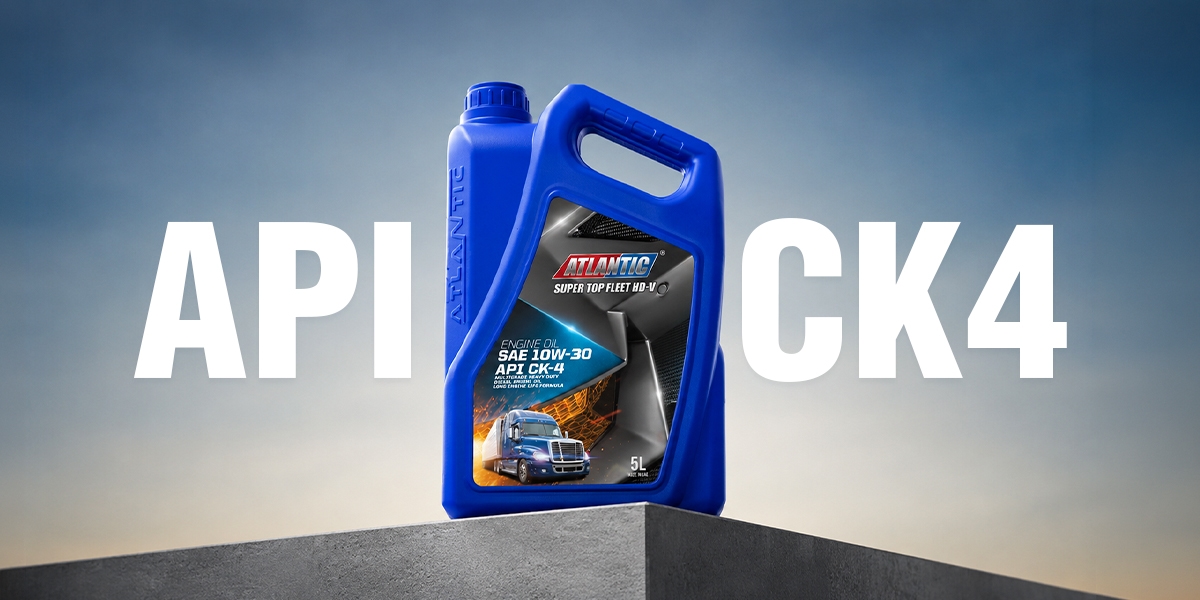
Oxidation resistance and shear stability are enhanced, as is protection against high-temperature deposits and wear in CK-4 oils. The improvements provide greater performance under the severe on-highway operating conditions and better performance in heavy industrial or off-road applications.
Most importantly, CK-4 oils are backward-compatible. This will allow you to run CK-4 in engines that require CJ-4 or CI-4, providing you with a modern lubricant with greater capabilities and future-proof performance.
What This Means for Your Fleet or Equipment
Whether you own a fleet or operate diesel equipment, the transition from CI 4 to CJ 4 to CK 4 is no historical footnote. It's a true sign of oil chemistry progress that now yields more reliable engines and extended oil drain periods, and better overall durability. With the correct API rating for your oil, you're protected from wear, soot formation, and the high demands of diesel operation.
Since all of the CK 4 oils can be used in all older classifications, they represent the lowest risk of use in multi-year fleets made up of engines from different years. With a high-quality CK 4 oil, you're providing a level of protection to every diesel in your operation that it may never have received.
Choosing the Right Oil from a Trusted Supplier
While it's one thing to understand classifications, it's another to have oils that really deliver on those specifications. There are different products in the market that claim to be CK 4, but they are not all the same. Quality is important, particularly with regards to engine protection and performance.
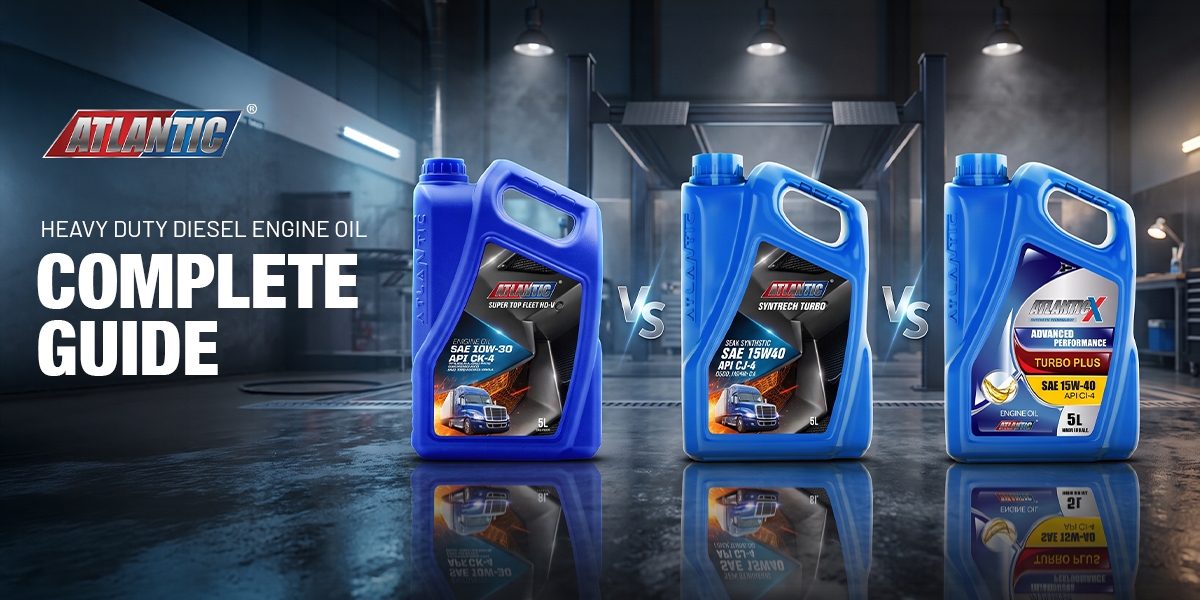
If you're a heavy-duty fleet, workshop, or equipment manager seeking reliability and value, it's essential to source oils from a reputable supplier. That's where Atlantic Grease and Lubricants can help. We carry a complete range of high-performance CK 4, CJ 4, and CI 4 diesel oils designed to meet today's performance standards. From adding oil to one machine to equipping your entire fleet, Atlantic Grease and Lubricants can help you choose the right oil for the application and keep your engines running strong mile after mile.
The right oil investment today can help you avoid maintenance challenges tomorrow.
Where to Buy Quality Engine Oils?
Selecting the proper diesel engine oil is not a matter of choice but of necessity, as it can impact reliability, cost, and drivetrain longevity. Knowing the differences among API CI 4, CJ 4, and CK 4 will help you make maintenance decisions rather than taking a 'hope for the best' approach.
If the time has arrived to improve your fleet's lubrication strategy, you can rely on Atlantic Grease and Lubricants' high-quality lubricants, designed to meet the most demanding API diesel oil classifications and help protect your engines in real-world conditions.